
Best WiFi Speed for Home 2026: How Much You Need
April 4, 2026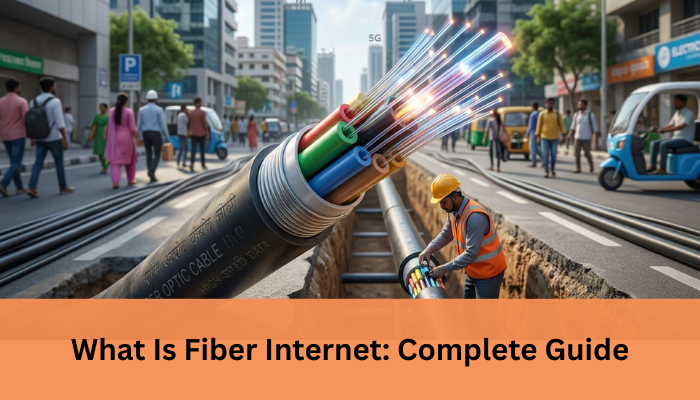
What Is Fiber Internet 2026: Complete Guide
Slow internet, constant buffering, and dropped video calls can get frustrating, especially when you’re paying for a “high-speed” plan.
If you’ve been wondering What Is Fiber Internet and whether it can actually fix these issues, here’s the short answer: fiber internet uses advanced fiber-optic cables to deliver data as light, making it faster, more stable, and more reliable than traditional broadband.
The demand for fiber is growing fast. In fact, fiber connections are seeing rapid adoption worldwide as more homes shift to streaming, gaming, and remote work.
People are no longer just looking for speed, they want consistency, especially with multiple devices connected at the same time.
I noticed this myself when I switched from a regular broadband connection to fiber. Downloads became quicker, video calls stopped lagging, and streaming in 4K felt effortless.
The difference wasn’t just in speed, it was in overall performance.
If you’re trying to understand how fiber internet works and whether it’s the right choice for your home, let’s break it down in a simple, practical way.
What Is Fiber Internet?
If you’re wondering What Is Fiber Internet, it’s a faster and more reliable way to connect to the internet.
Fiber internet is a type of internet connection that delivers data through fiber-optic cables instead of traditional copper wires.
These cables use light signals to transmit data, which makes the connection much faster and more reliable.
In simple terms, fiber internet is built for speed and consistency. It allows you to stream, game, browse, and work online without frequent slowdowns or interruptions.
That’s why it’s becoming the preferred choice for modern homes.
How it is different from regular broadband
Understanding What Is Fiber Internet can help you decide if it’s the right choice for your home. The main difference comes down to the technology used behind the scenes.
- Fiber internet (fiber-optic cables)
- Uses light to transmit data
- Offers higher speeds and better stability
- Handles multiple devices more efficiently
- Less affected by distance and interference
- Regular broadband (copper cables like DSL or cable)
- Uses electrical signals
- Slower compared to fiber
- Performance drops with distance or heavy usage
- More prone to network congestion
Think of it this way:
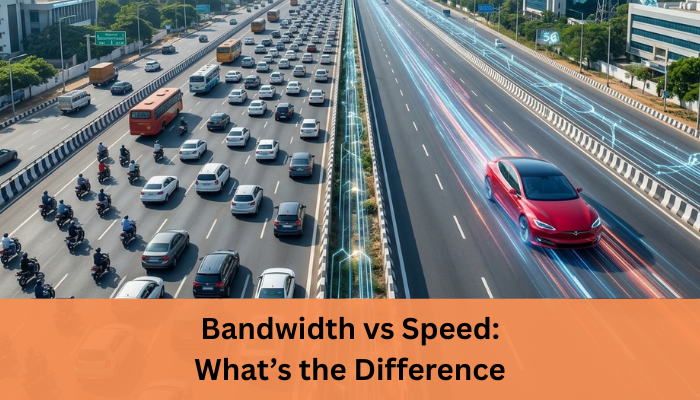
- Fiber is like a modern express highway, smooth and fast
- Copper connections are like older roads, which can slow down during traffic
Because of this difference, fiber internet delivers not just higher speeds, but a more consistent experience, especially in homes with multiple users and devices.
How Does Fiber Internet Work?
Fiber-optic technology explained simply
Fiber internet works using light signals instead of electrical signals. Inside fiber-optic cables, there are thin strands of glass or plastic that carry data in the form of light.
- Light travels extremely fast, much faster than electrical signals
- This allows fiber connections to deliver higher speeds and lower delays
- The signal stays strong over long distances, unlike copper cables
- It also faces less interference from weather or electronic devices
In simple terms, fiber uses a more advanced and efficient way to move data, which is why it feels faster and more stable in everyday use.
Data transmission process
Here’s how data travels from your internet provider to your home:
- Your ISP sends data as light signals through fiber-optic cables
- These signals travel through a network of underground or overhead fiber lines
- The connection reaches a fiber terminal or router near or inside your home
- The light signals are then converted into data your devices can use
Once the data reaches your router, it gets distributed to your devices via WiFi or a wired connection.
Because the entire process is fast and efficient, you experience quick loading times, smooth streaming, and stable connectivity, even with multiple devices connected.
Types of Fiber Internet Connections
Not all fiber connections are the same. The difference mainly depends on how close the fiber cable comes to your home.
FTTH (Fiber to the Home)
This is the most advanced type of fiber connection.
- Fiber cable runs directly into your home
- Delivers the fastest and most stable speeds
- Best for streaming, gaming, and work from home
- Minimal signal loss or interference
If you want the best performance, FTTH is the ideal choice.
FTTB (Fiber to the Building)
Common in apartments and office buildings.
- Fiber reaches the main building, not individual homes
- Inside the building, connection may switch to copper or Ethernet
- Good speeds, but slightly less consistent than FTTH
- Works well for shared residential spaces
FTTC (Fiber to the Curb)
A mix of fiber and traditional cables.
- Fiber runs to a nearby street cabinet or pole
- Final connection to your home uses copper cables
- Speed depends on distance from the cabinet
- Can slow down during heavy usage
Quick comparison and use cases
- FTTH – Best for homes needing high speed and reliability
- FTTB – Suitable for apartments and shared buildings
- FTTC – Basic option where full fiber isn’t available
In simple terms, the closer fiber gets to your home, the better your internet performance will be.
Key Benefits of Fiber Internet
Many users search for What Is Fiber Internet when looking to upgrade from regular broadband.
Faster speeds
Fiber internet is known for its high-speed performance. It can deliver much faster download and upload speeds compared to traditional connections. This means websites load quickly, videos start instantly, and large files download in seconds instead of minutes.
More reliable connection
One of the biggest advantages of fiber is its stability. Unlike copper cables, fiber is less affected by weather conditions, distance, or network interference. This results in fewer disruptions, making your internet more consistent throughout the day.
Better for multiple devices
Modern homes have many connected devices, phones, laptops, smart TVs, and more. Fiber internet handles multiple users easily without slowing down. Whether someone is streaming, gaming, or attending a video call, the connection remains smooth for everyone.
Low latency for gaming and calls
Fiber offers lower latency, which means faster response times. This is especially important for:
- Online gaming, where quick reactions matter
- Video calls, where delays can affect communication
With lower lag and stable performance, you get a smoother experience overall.
In simple terms, fiber internet gives you speed, stability, and the ability to handle modern internet demands without frustration.
For advanced users, understanding the Benefit of Static IP can further improve performance and connectivity.
Fiber Internet vs Other Types of Internet
Learning What Is Fiber Internet makes it easier to compare it with other internet types.
Fiber vs DSL
DSL uses traditional copper telephone lines, which limits both speed and reliability. Speeds are usually lower, and performance drops as you move farther from the exchange.
Fiber, on the other hand, delivers data through light signals, offering much faster speeds and more consistent performance. For modern usage like streaming or work from home, fiber is a clear upgrade over DSL.
Fiber vs Cable broadband
Cable broadband is faster than DSL but still relies on copper infrastructure. It can slow down during peak hours because bandwidth is shared among nearby users.
Fiber avoids this issue to a large extent, providing more stable speeds even during busy times. It also offers better upload speeds, which is useful for video calls and file sharing.
Quick comparison table
Type | Speed | Reliability | Best For |
Fiber | Very high | Very stable | Streaming, gaming, work |
Cable | High | Moderate | Families, regular use |
DSL | Low to moderate | Less stable | Basic browsing |
In short, fiber stands out for speed and reliability, especially for heavy or multi-device usage.
You can also compare options in detail by reading Leased Line vs Broadband to understand which suits your needs.
What Speed Can You Expect with Fiber Internet?
Typical speed ranges
Fiber internet is known for offering a wide range of speeds to suit different needs. Most providers offer plans starting from 100 Mbps and going up to 1 Gbps (1000 Mbps) or even higher.
- 100–200 Mbps for regular home use
- 200–500 Mbps for families and multiple devices
- 1 Gbps+ for heavy usage, gaming, and home offices
Real-world performance
In real use, fiber delivers consistent and stable speeds, not just high numbers on paper.
- Faster downloads and uploads
- Smooth 4K streaming without buffering
- Stable video calls with minimal lag
- Better performance even during peak hours
Unlike traditional connections, fiber maintains its speed even when multiple devices are connected. That’s why it feels faster and more reliable in everyday use.
If you’re unsure about your usage, this guide on How to Calculate Internet Speed can help you choose the right plan.
Is Fiber Internet Right for You?
Best for which users
Fiber internet is a great choice if your daily usage demands speed and stability.
- Families with multiple devices using internet at the same time
- Gamers who need low latency and smooth gameplay
- Remote workers relying on video calls and fast file uploads
- Anyone who streams in HD or 4K regularly
If your home depends heavily on the internet, fiber makes a noticeable difference.
When you may not need it
Fiber may not always be necessary for everyone.
- Light users who mainly browse or check emails
- Single users with minimal device usage
- If your current plan already meets your needs comfortably
In simple terms, if your usage is basic, you might not need the highest speeds. But for anything beyond that, fiber is a smart, future-ready choice.
Factors That Affect Fiber Internet Performance
Once you know What Is Fiber Internet, you’ll understand why it offers better performance and stability.
Even with a high-speed fiber connection, your actual experience can vary based on a few key factors inside your home.
Router quality
Your router plays a big role in how well your fiber internet performs.
- Older routers may not support higher speeds
- A low-quality router can limit performance even on a fast plan
- Upgrading to a modern router can improve speed and coverage
WiFi setup
How your network is set up matters more than most people think.
- Router placement affects signal strength
- Walls, furniture, and distance can weaken WiFi
- Placing the router in a central, open area improves coverage
- Using mesh systems can help in larger homes
You can also check your connection using this guide on how to test WiFi speed and improve performance at home.
Number of devices
Every connected device shares your internet connection.
- Phones, TVs, laptops, and smart devices all use bandwidth
- More devices can slow down performance if not managed well
- Heavy usage on one device can impact others
In short, fiber gives you the speed, but your setup decides how well you experience it at home.
Using the Best Router for Home ensures you get the full speed and coverage from your fiber connection.
How to Choose the Right Fiber Plan
Choosing the right fiber plan is easier when you focus on your actual needs instead of just picking the highest speed.
Step-by-step checklist
- Usage
Start by understanding how you use the internet.
Streaming, gaming, video calls, or just browsing all require different speeds. - Devices
Count how many devices are connected daily.
More devices mean you’ll need higher bandwidth for smooth performance. - Budget
Don’t overspend on speed you won’t use.
Pick a plan that fits your needs while staying within your budget. - Speed needs
Match your usage and devices with the right speed range.
For most homes, 100–300 Mbps works well, while heavy users may need more.
A simple approach is to choose a plan that meets your current needs and leaves a little room for future usage.
Common Myths About Fiber Internet
“Fiber is too expensive”
Many people think fiber internet is costly, but that’s not always true. Prices have become more competitive, and in many areas, fiber plans are similar to regular broadband.
- You often get better value for money with higher speeds
- Fewer slowdowns mean a better overall experience
- Long-term, it can be more cost-effective for heavy users
“Fiber is only for businesses”
This was true earlier, but not anymore. Fiber is now widely available for homes.
- Many providers offer home-friendly fiber plans
- Ideal for families, gamers, and remote workers
- Supports multiple devices without performance issues
“Speed is always the same everywhere”
Not exactly. While fiber is more consistent, actual performance can still vary.
- Router quality and placement matter
- Number of connected devices affects speed
- WiFi setup can impact your experience
In simple terms, fiber internet is more accessible and practical than many people think, especially for modern home usage.
Final Thoughts
When it comes to fiber internet, the biggest advantage is clear, you get both speed and reliability.
It’s not just about faster downloads, it’s about a smoother overall experience, whether you’re streaming, gaming, or working from home.
But at the end of the day, the right choice depends on your usage, not just the technology itself.
That’s where Internet Express stands out. We focus on helping you find a fiber plan that actually fits your daily needs, not just selling high-speed packages.
With our reliable fiber network, consistent performance, and quick local support, you get an internet connection that works the way it should, without the usual frustration.
Whether you’re a small household or a heavy user with multiple devices, we make sure your connection is stable, fast, and future-ready.
If you’re ready to upgrade to a better internet experience, now is the right time.
Contact Internet Express today and choose a fiber plan that delivers real performance, not just promises.
FAQs – What is Fiber Internet
What is fiber internet in simple terms?
Is fiber internet faster than broadband?
What speed can fiber internet provide?
Is fiber internet worth it for home use?
Does fiber internet improve WiFi speed?

Related posts