What Is Leased Line Internet? Complete Guide 2026
May 6, 2026
Internet Speed Required for 4K Streaming in 2026
May 8, 2026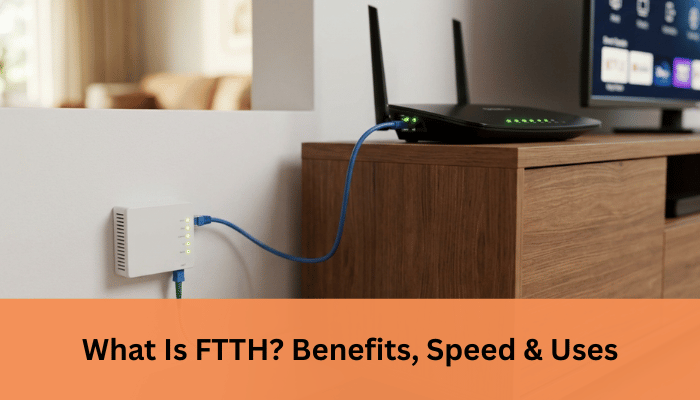
Slow internet, constant buffering, and lag during video calls can quickly turn everyday online activities into a frustrating experience.
Whether you’re working from home, streaming OTT content, or managing smart devices, traditional broadband often struggles to keep up with modern demands.
This is exactly where What Is FTTH becomes an important question.
In simple terms, FTTH (Fiber to the Home) is a high-speed internet connection that uses fiber optic cables to deliver faster, more reliable, and consistent internet directly to your home.
With the rapid growth of digital usage, FTTH is becoming the preferred choice for households worldwide.
In fact, fiber internet adoption has been steadily increasing as users demand higher speeds and better reliability for streaming, gaming, and remote work.
Unlike traditional copper-based connections, FTTH offers low latency, higher bandwidth, and symmetrical speeds, making it ideal for modern internet needs.
From personal experience, switching to a fiber-based connection made a noticeable difference no more buffering during peak hours, smoother video calls, and faster downloads across multiple devices.
It’s not just about speed, but the overall stability and performance you get every day.
So, if you’re wondering whether FTTH is the right choice for your home, let’s break it down step by step and understand everything you need to know.
What Is FTTH
FTTH is one of the most advanced internet technologies available for home users today. It is designed to deliver high-speed, reliable, and future-ready connectivity directly to your home using fiber optic cables.
FTTH Meaning (Fiber to the Home Explained)
FTTH stands for Fiber to the Home, which means the internet connection is delivered directly to your house through fiber optic cables instead of traditional copper wires.
- Uses light signals to transmit data at high speed
- Provides better performance compared to DSL or cable broadband
- Offers higher bandwidth and consistent connectivity
- Ideal for modern usage like streaming, gaming, and remote work
In simple terms, FTTH brings the fastest form of internet connection straight to your doorstep.
How FTTH Works
FTTH works by connecting your home directly to the service provider’s fiber network.
- Fiber optic cables carry data using light signals
- The connection runs from the ISP to your home without major signal loss
- An Optical Network Terminal (ONT) is installed at your home
- The ONT connects to your router, which distributes WiFi across devices
Because fiber transmits data more efficiently, you get faster speeds and more stable performance compared to older technologies.
Learning What Is Ftth can help you choose the right internet connection for streaming, gaming, and remote work.
FTTH vs Traditional Broadband
The biggest difference lies in technology and performance.
- FTTH:
- High-speed fiber connection
- Low latency and stable performance
- Handles multiple devices easily
- Traditional Broadband:
- Uses copper cables
- Speed may drop over distance
- More affected by interference and congestion
If you want consistent speed and reliability, FTTH is a clear upgrade over traditional broadband.
To understand the basics better, you can explore what is fiber internet and how it delivers high-speed connectivity.
Types of Fiber Connections
Not all fiber internet connections are the same. You’ll often hear terms like FTTH, FTTN, and FTTC.
While they all use fiber optics, the key difference lies in how close the fiber reaches your home and that directly impacts speed and performance.
FTTH vs FTTN vs FTTC
Here’s a simple breakdown to understand the differences:
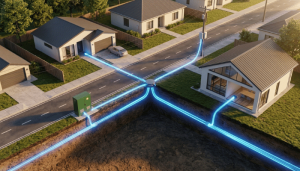
- FTTH (Fiber to the Home):
- Fiber cable runs directly to your house
- Offers the highest speed and reliability
- Minimal signal loss and interference
- Best for modern internet usage
- FTTC (Fiber to the Curb):
- Fiber reaches a point near your home (like a street cabinet)
- Final connection to your house uses copper cable
- Decent speed but slightly lower than FTTH
- Performance can vary depending on distance
- FTTN (Fiber to the Node):
- Fiber reaches a central node in your area
- Remaining connection uses traditional copper lines
- Slower compared to FTTH and FTTC
- More affected by distance and network congestion
In short, the closer fiber gets to your home, the better your internet performance will be.
Understanding wired vs wireless internet helps you decide the best setup for maximizing FTTH performance.
Which Fiber Type Is Best for Home Use
For most households, FTTH is the best option.
- Delivers consistent high-speed internet
- Handles multiple devices without slowdown
- Ideal for streaming, gaming, and work from home
- Offers better long-term reliability
Understanding What Is Ftth helps you see why it offers better speed and reliability than traditional broadband.
FTTC can work for moderate usage, but FTTN may struggle with modern demands.
If available in your area, choosing FTTH ensures you get the best speed, stability, and overall experience.
Key Features of FTTH Internet
FTTH internet is known for delivering fast, stable, and future-ready connectivity. It is designed to handle modern digital needs with ease, making it a preferred choice for homes.
High-Speed Internet Connectivity
One of the biggest advantages of FTTH is its speed.
- Supports high Mbps and even gigabit speeds
- Faster downloads for apps, videos, and files
- Smooth browsing and instant loading experience
This makes everyday tasks feel quicker and more responsive.
Low Latency and Stable Performance
FTTH provides a more consistent connection compared to traditional broadband.
- Lower latency means faster response time
- Minimal lag during video calls and gaming
- Less affected by distance or interference
You get a stable experience even during peak usage hours. Many users search What Is Ftth when upgrading to faster and more stable home internet.
Symmetrical Upload and Download Speeds
Unlike many broadband connections, FTTH offers equal upload and download speeds.
- Faster file uploads and cloud backups
- Better video conferencing quality
- Ideal for content creators and remote workers
This balance improves overall internet performance.
Better Bandwidth for Multiple Devices
Modern homes have multiple connected devices, and FTTH handles them efficiently.
- Supports smartphones, laptops, smart TVs, and IoT devices
- Reduces slowdowns when multiple users are online
- Maintains consistent speed across all devices
Overall, FTTH ensures your home network stays fast, reliable, and ready for heavy usage.

Benefits of FTTH for Home Users
FTTH brings a noticeable upgrade to everyday internet usage by offering speed, stability, and reliability that traditional connections often lack. Here’s how it benefits home users:
- Smooth Streaming Experience:
Enjoy buffer-free OTT streaming in HD and 4K without interruptions, even during peak hours. - Lag-Free Gaming:
Low latency ensures faster response times, giving gamers a smoother and more competitive experience. - Reliable Work From Home Setup:
Stable connections support video calls, file sharing, and cloud tools without drops or delays. - Handles Multiple Devices Easily:
Whether it’s smartphones, laptops, smart TVs, or IoT devices, FTTH manages them all without slowing down. - Faster Uploads and Downloads:
Symmetrical speeds make uploading files, backups, and content creation much quicker. - Future-Ready Technology:
FTTH is built to support growing internet needs, making it a long-term solution for modern homes.
Overall, FTTH ensures a seamless and consistent online experience for every member of the household, no matter how they use the internet.
Many users switch to fiber after learning how to get faster internet for better speed and stability.
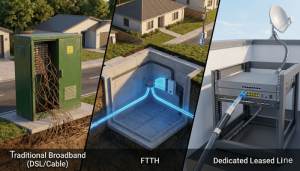
FTTH vs Broadband vs Leased Line
Choosing the right connection depends on your usage, budget, and need for reliability. Here’s a simple comparison to help you understand the differences.
Speed and Performance Comparison
- FTTH: High-speed fiber connection with stable performance
- Broadband: Moderate speed, can fluctuate during peak hours
- Leased Line: Consistent, dedicated high speed with no fluctuations
- FTTH and leased lines offer better performance than traditional broadband
Reliability and Consistency
- FTTH: Reliable for home use with minimal interruptions
- Broadband: Can face slowdowns due to shared usage
- Leased Line: Highly reliable with guaranteed uptime (SLA)
- Leased lines provide the most consistent performance, followed by FTTH
Cost and Use Case Differences
- FTTH: Affordable and ideal for homes with multiple devices
- Broadband: Budget-friendly for basic usage
- Leased Line: Premium pricing for businesses needing dedicated connectivity
Best use cases:
- FTTH → Streaming, gaming, work from home
- Broadband → Basic browsing and light usage
- Leased Line → Businesses, offices, and high-demand environments
For most homes, FTTH offers the best balance of speed, reliability, and cost.
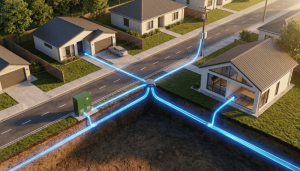
Types of Fiber Connections
Not all fiber connections deliver the same performance. The difference depends on how close the fiber cable reaches your home, which directly affects speed and reliability.
FTTH vs FTTN vs FTTC
- FTTH (Fiber to the Home):
- Fiber comes directly to your house
- Offers the highest speed and stability
- Minimal signal loss and interference
- FTTC (Fiber to the Curb):
- Fiber reaches near your home (street level)
- Final connection uses copper cables
- Good performance but slightly less stable than FTTH
- FTTN (Fiber to the Node):
- Fiber reaches a central point in your area
- Remaining connection uses traditional copper lines
- More affected by distance and congestion
The closer the fiber is to your home, the better your internet experience will be. To explain What Is Ftth simply, it uses fiber cables instead of copper wires for faster data transmission.
Which Fiber Type Is Best for Home Use
For most households, FTTH is the best choice.
- Delivers consistent high-speed internet
- Supports multiple devices without slowdown
- Ideal for streaming, gaming, and remote work
FTTC can work for moderate usage, but FTTN may struggle with modern demands. If available, FTTH offers the best combination of speed, stability, and long-term performance.

Who Should Choose FTTH Connection
FTTH is ideal for users who rely on the internet for more than just basic browsing. If your daily activities demand speed, stability, and uninterrupted connectivity, FTTH is a smart choice.
- Families with Multiple Devices
Modern homes have smartphones, laptops, smart TVs, and IoT devices all connected at once.- Handles multiple users without slowing down
- Ensures smooth streaming and browsing for everyone
- Remote Workers and Professionals
Work-from-home setups require stable and reliable internet.- Supports video calls without lag
- Faster uploads for files and cloud work
- Reduces interruptions during important tasks
- Students and Online Learners
Online classes and study platforms need consistent connectivity.- Smooth access to live classes and recorded lectures
- Reliable performance for research and assignments
- Gamers and Streaming Users
High-speed and low latency are essential for entertainment.- Lag-free gaming experience
- Buffer-free OTT streaming in HD and 4K
- Smart Home Users
Homes with CCTV, smart assistants, and connected devices benefit from FTTH.- Stable connectivity for real-time monitoring
- Supports multiple smart devices simultaneously
If your internet usage is growing and you want a future-ready connection, FTTH is the right choice for a smooth and reliable experience.

How to Choose the Right FTTH Plan
Choosing the right FTTH plan ensures you get the best performance without overpaying. It’s important to match your plan with your actual usage needs.
Required Internet Speed (Mbps)
Start by understanding how much speed you really need.
- 50–100 Mbps: Suitable for small households and basic usage
- 100–200 Mbps: Ideal for streaming, video calls, and multiple users
- 200+ Mbps: Best for heavy usage like gaming, 4K streaming, and smart homes
Selecting the right speed helps avoid buffering and slowdowns.
Number of Users and Devices
The more devices connected, the more bandwidth you’ll need.
- Consider smartphones, laptops, TVs, and IoT devices
- More users = higher bandwidth requirement
- Helps maintain consistent speed across all devices
Planning based on usage prevents network congestion.
Router Compatibility
Your router plays a key role in WiFi performance.
- Use a dual-band or WiFi 6 router for better speed and coverage
- Ensure your router supports your plan’s maximum speed
- Proper router setup improves overall performance
Even a fast FTTH plan won’t perform well with an outdated router.
ISP Reliability and Support
A good internet provider ensures consistent service.
- Check uptime reliability and network stability
- Look for responsive customer support
- Ensure quick issue resolution and minimal downtime
Choosing a trusted ISP makes a big difference in your overall experience.
Knowing the best wifi speed for home helps you choose the right FTTH plan based on your usage.
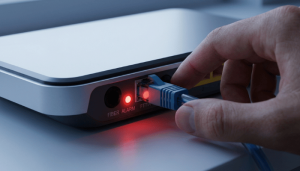
Common Issues with FTTH and How to Fix Them
Even with a high-speed FTTH connection, you might face performance issues but most are easy to fix with the right approach.
Slow WiFi Despite Fiber Connection
Sometimes the issue isn’t the fiber connection but your home setup.
- Check if your router supports high speeds (use dual-band or WiFi 6)
- Restart your router to clear temporary issues
- Test speed using a wired connection to identify the real problem
Router Placement and Coverage Issues
Poor router placement can lead to weak signals and dead zones.
- Place the router in a central, elevated location
- Avoid keeping it inside cabinets or behind walls
- Keep it away from electronic interference (microwaves, TVs)
Good placement ensures better signal distribution across your home.
Network Congestion Inside Home
Too many devices can slow down your connection.
- Disconnect unused devices
- Limit background downloads and updates
- Use QoS settings to prioritize important devices
Managing device usage helps maintain consistent speed for essential activities like work, streaming, and gaming.
After installation, you can use simple methods from how to test wifi speed to check your actual performance.
Conclusion
FTTH has quickly become the go-to choice for modern homes, and for good reason.
It delivers high-speed internet, consistent performance, and reliable connectivity that traditional broadband often struggles to match.
Whether you’re streaming, gaming, working from home, or managing multiple devices, FTTH ensures a smooth and uninterrupted experience.
It’s not just about faster speeds it’s about stability, low latency, and being ready for growing digital needs.
Choosing the right internet service provider is just as important as choosing FTTH itself.
A reliable ISP ensures you get the promised speeds, minimal downtime, and quick support whenever needed.
This is where Internet Express stands out. As a trusted broadband provider in Pune and PCMC, we offer high-speed FTTH plans, stable connectivity, and responsive customer support tailored for today’s connected homes.
If you’re looking to upgrade your internet experience, FTTH is the right step forward and with the right provider, it becomes even more powerful.
👉 Ready for faster, smoother internet at home? Connect with Internet Express today and experience reliable FTTH connectivity designed for your everyday needs.